TL;DR
Tanzanite is one of the rarest and most visually captivating gemstones in the world — found only in one place on Earth. This deep violet-blue gem offers an ever-changing spectrum of color, rich symbolism, and limited availability, making it an extraordinary gift for December birthdays or anyone drawn to luxurious, meaningful jewelry.
1. What Is Tanzanite? A Gem Born from Fire and Time
Discovered in the foothills of Mount Kilimanjaro in 1967, Tanzanite is a variety of the mineral zoisite and is only found in one location in the world: a small mining area in northern Tanzania.
What sets Tanzanite apart is its pleochroism — it displays different colors depending on the angle. You may see deep sapphire blue, rich violet, or even hints of burgundy under varying lighting conditions. This magical effect makes every stone feel unique.
2. What Does Tanzanite Symbolize?
Tanzanite has become deeply symbolic in modern gemstone lore. It’s associated with:
- Transformation and new beginnings (ideal for gifting in times of change)
- Calmness and clarity (linked to the throat and third-eye chakras)
- Luxury and uniqueness (due to its rarity and rich hues)
For individuals born in December, tanzanite serves as a powerful alternative to traditional turquoise or zircon—especially for those with an elegant and bold style preference.
3. Why Is Tanzanite Considered So Rare?
Tanzanite’s geological formation is so specific that experts believe the current known supply may be depleted within a generation. It took over 585 million years to form—and with no new sources found, it’s considered 1000 times rarer than diamonds.
This makes tanzanite one of the most exclusive options for collectors, luxury jewelry buyers, and people seeking future heirloom pieces.
4. Styling Tanzanite Jewelry: What to Know
Tanzanite’s color versatility means it complements a variety of metals and settings.
Metal Pairings:
- White Gold or Platinum: Elevates Tanzanite’s cooler blue tones — a modern and sleek look.
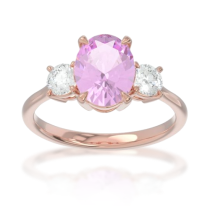
- Rose Gold: Brings out violet undertones—romantic and warm.
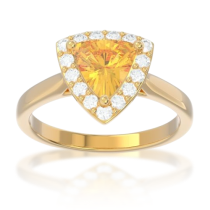
- Yellow Gold: Adds contrast—bold and vintage-inspired.
Best Jewelry Types:
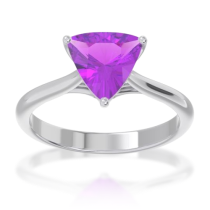
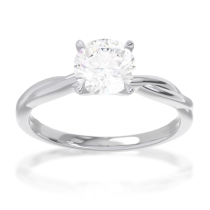
- Solitaire Tanzanite Rings – Ideal for elegant engagement rings or statement pieces.
- Tanzanite Pendants—Let the gem’s color shift shine on an open neckline.
- Earrings or Studs—Refined sparkle with subtle richness.
Azeera offers lab-created and natural tanzanite options, all hand-set in ethical metals for conscious luxury.
5. Care Tips for Tanzanite Jewelry
Tanzanite ranks about 6 to 6.5 on the Mohs hardness scale, meaning it’s not as tough as sapphire or diamond. Here’s how to care for it:
- Avoid wearing during sports, physical labor, or harsh cleaning.
- Store separately in a soft-lined box to prevent scratching.
- Clean with lukewarm water, mild soap, and a soft cloth. Avoid ultrasonic cleaners.
FAQs About Tanzanite
Q: Is tanzanite a real birthstone for December?
Yes. Along with turquoise and blue zircon, tanzanite is one of the three official December birthstones recognized by the American Gem Society.
Q: Is tanzanite rarer than diamonds?
Yes. Tanzanite is geologically unique to one region in the world and may become increasingly scarce, making it significantly rarer than diamonds.
Q: Can tanzanite be used in engagement rings?
Absolutely. It makes for a significant and unconventional choice, though care should be taken due to its softer nature.
Q: What makes tanzanite change color?
Its crystal structure allows for pleochroism, meaning it displays different colors (blue, violet, and burgundy) depending on the viewing angle and light source.
Q: How do I know if my tanzanite is genuine?
Genuine tanzanite will have depth, color shift, and a certificate of authenticity. Lab-created Tanzanite shares the same chemical properties but is grown in a lab under controlled conditions.
Own a Piece of Rare Beauty
Whether you’re searching for a meaningful December birthday gift, a unique gemstone for your next jewelry investment, or a new heirloom to pass on, Tanzanite delivers rare elegance and symbolic depth.