Let’s talk about one of the most persistent myths in the world of engagement rings: the 3-month salary rule. You’ve probably heard it before—this outdated idea suggests you should spend three months of your income on an engagement ring. While it might sound straightforward, does it really make sense? Is it even necessary?
Spoiler alert: No, it’s not. In today’s world, your ring budget should reflect your personal finances, your partner’s style, and what feels right for both of you. Let’s break it down and explore why this “rule” is outdated and how to approach buying an engagement ring that works for you.
Where Did the 3-Month Salary Rule Come From?
Before we toss this rule out the window, let’s understand where it came from. The 3-month salary rule is often credited to clever marketing campaigns by diamond companies in the mid-20th century. The idea was simple: if you loved someone, you’d show it by spending a significant chunk of your income on their ring. It was brilliant advertising, but it doesn’t hold up in the modern era.
Why the 3-Month Rule Doesn’t Make Sense Today
- Everyone’s Finances Are Different
Think about it: a three-month salary for one person could be drastically different from another’s. More importantly, your financial priorities should always come first. It doesn’t make sense to go into debt for a ring when there are other things—like saving for a home or planning a wedding—that also matter.
- It’s Not About the Price Tag
An engagement ring is about love and commitment, not how much you spend. A ring’s value comes from its meaning, not its cost. A thoughtful choice that matches your partner’s style and preferences will always mean more than a ring chosen just for its price tag.
- More Options Than Ever Before
Today, there are so many beautiful options for engagement rings at a range of price points. From lab-grown diamonds to alternative gemstones like sapphires or rubies, you can find something stunning without breaking the bank.
How to Set Your Engagement Ring Budget
Now that we’ve debunked the 3-month rule, let’s focus on what really matters: how to set a budget that works for you.
1. Consider Your Financial Situation
Start by reviewing your income, expenses, and savings. Set a budget that feels comfortable without putting you in financial strain. Remember, this is just one part of your life journey together—there’s no need to overspend.
2. Factor in Your Partner’s Style
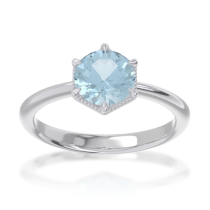
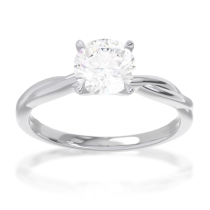
Does your partner prefer something classic like a diamond solitaire, or are they drawn to colorful gemstones like emeralds or aquamarines? Their style will help guide your choice and ensure the ring feels personal and meaningful.
3. Explore Alternative Gemstones
Lab-grown diamonds and natural gemstones are excellent options if you’re looking for a cost-effective yet stunning choice. Sapphires, rubies, and even moissanite offer exceptional beauty and durability at a fraction of the price of traditional diamonds.
4. Prioritize Quality Over Size
A smaller, high-quality gemstone often looks more elegant than a larger, lower-quality one. Focus on the “4 Cs” (cut, color, clarity, and carat) to choose a stone that truly sparkles.
5. Shop Around and Compare
Don’t rush into your purchase. Visit different jewelers, compare designs, and read reviews. Many online retailers also offer high-quality options with transparent pricing.
Modern Engagement Ring Trends
For inspiration, here are a few popular trends that break away from tradition:
Gemstone Rings
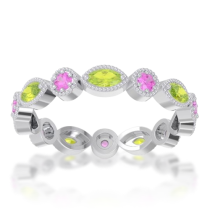
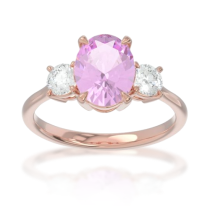
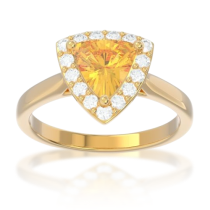
- Gemstone rings are rising in popularity, offering unique colors and symbolism. Sapphires symbolize loyalty, rubies represent passion, and emeralds stand for harmony—each telling its own story.
Lab-Grown Diamonds
- Ethical, sustainable, and budget-friendly, lab-grown diamonds are identical to natural diamonds in appearance and durability.
Minimalist Designs
- Simple, sleek settings with clean lines are perfect for those who prefer understated elegance.
Vintage-Inspired Rings
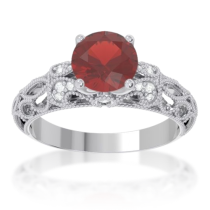
- Rings with intricate details, like milgrain or filigree work, add a touch of timeless charm.
Mixed Metals
- Combining rose gold, white gold, or yellow gold in a single ring creates a unique, modern look.
The Importance of Communication
Here’s the thing: buying an engagement ring doesn’t have to be a solo mission. Talk to your partner about their preferences and your budget. Many couples today shop for rings together, making the experience collaborative and exciting. It’s a great way to ensure you both love the final choice.
FAQ: Engagement Ring Budgeting
1. Is the 3-month salary rule still relevant?
Not really. The rule is outdated, and your budget should depend on your financial situation and personal priorities.
2. How much should I realistically spend on an engagement ring?
There’s no set amount. Spend what feels comfortable for you without compromising your financial stability.
3. Are lab-grown diamonds a good option?
Absolutely! They offer the same beauty and durability as natural diamonds but at a lower cost and with ethical benefits.
4. What if my partner wants a large ring, but I can’t afford it?
Focus on quality over size and consider alternative gemstones or lab-grown diamonds for a more affordable yet stunning option.
5. Can I upgrade the ring later?
Yes! Many couples choose to upgrade their ring down the line as their financial situation improves or for milestone anniversaries.
The Bottom Line
Forget the outdated 3-month salary rule—it’s time to focus on what truly matters: finding a ring that reflects your love, fits your budget, and matches your partner’s style. Whether it’s a classic diamond solitaire, a vibrant gemstone ring, or a custom design, the perfect engagement ring is the one that feels right for both of you.
At Azeera, we specialize in natural and lab-grown gemstone rings that combine elegance, quality, and affordability. Explore our collection to find a ring that tells your unique love story—without any outdated rules dictating your choice.