TLDR
- Stone first, setting second. The most important decision in choosing a gemstone necklace is the stone itself, its color, its meaning, and how it interacts with your skin tone and wardrobe. Everything else follows from there.
- The four color families. Blue (sapphire, aquamarine, blue topaz), green (emerald, peridot, tsavorite), red and pink (ruby, garnet, pink tourmaline), and purple (amethyst). Each color family reads differently on the body and pairs differently with metal. Understanding which color you are drawn to is the starting point for every other decision.
- Chain length changes everything. The same pendant reads as an entirely different piece at 16 inches, 20 inches, and 24 inches. Chain length determines where the stone sits on the body, how it interacts with necklines, and whether the piece reads as delicate or substantial.
- Yellow gold is the most harmonious pairing for warm stones. Emerald, garnet, citrine, peridot, and ruby all have warmth in their color that yellow gold reinforces. Blue and purple stones work across all metals. White gold and platinum create the boldest contrast.
- Pendant versus station. A pendant necklace places one stone at the center. A station necklace places multiple stones at intervals along the chain. Both are appropriate for fine jewelry — the choice depends on whether you want a single focused point of color or a continuous line of color.
- Durability matters less for necklaces than for rings. A stone that requires care in a ring setting—amethyst, citrine, or peridot- is entirely appropriate in a necklace where it experiences no abrasive contact. The durability conversation for necklaces is simpler than for engagement rings.
Gemstone Necklaces: The Complete Buying Guide
A gemstone necklace is among the most versatile pieces in fine jewelry. Unlike a ring, which interacts with the world through daily wear and requires thoughtful choices about durability and setting protection, a necklace moves with you and against you, catching light at every angle, framing the face and neckline in a way that no other jewelry category does. It is also among the most personal choices in fine jewelry, because the stone you choose to wear close to your body tends to reflect something specific about how you see yourself and what you want to carry with you.
The range of gemstone necklace options is wide enough to be genuinely overwhelming without a clear framework for making decisions. This guide provides that framework. It covers every major stone available for a fine gemstone necklace — the color, the meaning, the durability considerations (which are minimal for most stones in necklace use), the metal pairing, and the setting style — and it gives you the language to know exactly what you are looking for before you begin to shop.
Azeera has made gemstone jewelry by hand in New York City for 75 years. Every stone in our necklace collection is individually selected, every piece made to order, and every detail of the stone disclosed fully. If you are ready to focus on a specific stone, navigate directly to the guide for that stone. If you are still working out which stone is right for you, read on.
Why a Gemstone Necklace?
Color at the Center of the Look
Fine jewelry in white metal and diamond has dominated the market for decades, but color has always been the language of meaning in gemstone jewelry. A vivid blue sapphire pendant, a deep green emerald drop, a rich red ruby set in yellow gold — these pieces communicate something immediately and precisely that a diamond solitaire does not. For buyers who want their jewelry to say something specific, gemstone necklaces offer the most direct and most visible way to say it.
The Most Versatile Fine Jewelry Piece
A well-chosen gemstone necklace works across more contexts than almost any other fine jewelry piece. A simple sapphire pendant in yellow gold is appropriate for daily wear and for formal evening wear. A garnet station necklace layers beautifully over casual clothing and elevates a dressed-up look equally. The versatility comes from the stone: a vivid, single color worn at the neckline is legible at any distance and appropriate in any setting where jewelry is welcome.
A More Forgiving Category for Softer Stones
One of the most important distinctions between necklaces and rings is the durability question. Stones that require careful setting choices and deliberate wear habits in a ring — amethyst at Mohs 7, citrine at Mohs 7, peridot at 6.5 to 7 — are entirely appropriate for necklace use without those restrictions. A necklace pendant does not contact hard surfaces, does not press against objects during daily activity, and does not experience the abrasive wear that makes hardness relevant for rings. The full range of fine gemstones is available for a necklace in a way that is not true for an engagement ring.
A Meaningful Gift for Every Occasion
Birthstone necklaces are among the most universally understood personal jewelry gifts. An anniversary gemstone necklace marking the traditional stone for a milestone year is considered a historically grounded alternative to generic gift jewelry. A first fine jewelry piece, a graduation gift, a significant birthday—a gemstone necklace in yellow gold is appropriate for all of these and will hold its meaning over decades in a way that fashion jewelry does not.
Choosing Your Stone: By Color Family
The most practical starting point for choosing a gemstone necklace is color. Most buyers begin with a color they are drawn to and work from there to the specific stone. The four major color families in Azeera’s necklace catalog are blue, green, red, pink, and purple.
Blue Gemstone Necklaces
Blue is the most universally wearable color in fine gemstone jewelry. It works across all skin tones, pairs with all metals, and reads as both classic and vivid depending on the depth of the blue chosen. Azeera works with three major blue stones for necklaces.
Blue sapphire is the most prestigious blue stone in fine jewelry, with a depth and richness that are immediately distinctive. Cornflower blue sapphires have a lighter, more transparent quality. Royal blue sapphires are deeper and more saturated. Both read beautifully at the neckline. Blue sapphire in yellow gold is a classic combination with deep historical precedent. In white gold or platinum, it reads as contemporary and high-contrast.
Aquamarine produces a clear, light to medium blue with a transparency that gives it a clean, airy quality quite different from the depth of sapphire. Aquamarine in a simple bezel pendant in yellow gold is among the most elegant necklace designs available. Its lighter color makes it particularly effective for layering with other pieces.
Swiss blue topaz produces a vivid, electric blue that is the most intense in the blue color family at an accessible price. It photographs with exceptional clarity and warmth. In a simple drop setting in yellow or white gold, it creates an immediately striking piece.
Green Gemstone Necklaces
Green is the color family with the greatest range of character across its stones. The deep, cool green of emerald reads as prestigious and complex. The warm lime green of peridot reads as fresh and distinctive. The vivid, bright green of tsavorite garnet reads as contemporary and energetic. Understanding which quality of green you want is the essential first step in this color family.
Emerald is the most celebrated green stone in fine jewelry. A natural emerald pendant in yellow gold has a richness and depth that no other green stone replicates. At fine quality, emerald has a chromium-based color that photographs with a luminous, complex quality. The jardin — the characteristic internal inclusions of natural emerald — is part of the stone’s identity and accepted in the fine jewelry market.
Peridot produces a warm, slightly yellowish lime green that is entirely its own character. In yellow gold, it creates a warm, unified composition with a distinctly personal and unconventional quality. Peridot is the August birthstone and has associations with warmth, vitality, and positive energy.
Tsavorite garnet produces a vivid, bright green with excellent brilliance and durability. It is one of the most underappreciated stones in fine jewelry and one of the most striking for necklace use.
Red and Pink Gemstone Necklaces
The red and pink color family covers the widest range of intensity and meaning in fine gemstone jewelry, from the deep, passionate red of ruby to the vivid raspberry of rhodolite garnet to the softer rose of pink tourmaline.
Ruby is the most historically significant red stone in the world. A ruby pendant in yellow gold is among the most striking single-piece necklace designs available. The chromium fluorescence of fine ruby gives it a luminous quality that intensifies in sunlight. At fine quality, ruby is also among the most valuable gemstones per carat. Lab-grown ruby offers the same physical and optical properties at a more accessible price.
Garnet in its rhodolite variety produces a vivid raspberry red to purplish-red that is distinct from ruby’s deeper red and immediately beautiful at the neckline. Garnet in yellow gold is one of the most historically resonant fine necklace combinations, with a long tradition in Victorian and Renaissance jewelry.
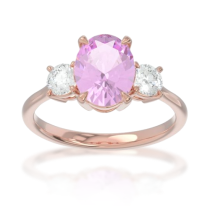
Pink tourmaline produces a range from pale blush to vivid magenta. At its most vivid, it is one of the most striking pink stones available for fine jewelry. In rose gold, it creates a harmonious, romantic composition. In yellow gold, the contrast between the warm pink and the warm gold creates a rich, celebratory palette.
Purple Gemstone Necklaces
Amethyst is the primary purple stone in Azeera’s catalog, producing a color range from pale lavender to deep violet. A well-saturated amethyst pendant in yellow gold is immediately distinctive and deeply personal — there are very few other purple options in fine jewelry at a comparable price point. Amethyst is the February birthstone and is associated with calm, clarity, and creative thinking. In rose gold, it creates a soft, romantic composition. In white gold or platinum, the purple is made more vivid by the contrast with the cool neutral metal.
Setting Styles for a Gemstone Necklace
The setting style of a gemstone necklace determines how the stone sits relative to the light, how much of the stone is visible, and how the piece reads at a distance. There are four main setting styles for gemstone necklace pendants.
Bezel Setting
A bezel setting encircles the stone’s perimeter in a continuous band of metal, framing the stone cleanly and allowing it to sit low and close to the body. It is the most protective setting for a pendant, though protection is less critical for a necklace than for a ring. The visual effect is clean and modern. A round or oval stone in a full bezel in yellow gold is one of the most elegant and timeless necklace designs available. Bezel settings work particularly well for softer stones and for stones with vivid color that benefits from framing rather than full exposure.
Prong Setting
A prong setting holds the stone with four or six small metal claws, maximizing the stone’s exposure to light on all sides. For transparent stones with high brilliance — sapphire, aquamarine, ruby — a prong setting allows the maximum amount of light to enter and exit the stone, which maximizes color intensity and sparkle. A simple round or oval stone in a four-prong solitaire pendant in yellow gold is the most classic fine necklace design.
Drop Setting
A drop pendant positions the stone so it hangs below a bail or loop in a way that moves with the wearer. The movement of a drop pendant catches light dynamically at every angle. Pear-shaped and briolette-cut stones are particularly effective in drop settings because the elongated shape creates visual movement and draws the eye. An emerald or aquamarine briolette drop in yellow gold is among the most elegant necklace designs in fine jewelry.
Station Necklace
A station necklace places multiple stones at regular intervals along the chain rather than at a single central point. The effect is a continuous line of color that frames the neckline rather than creating a single focal point. Station necklaces in sapphire, emerald, or amethyst in yellow gold read as refined and substantial at a glance and tend to be among the most wearable fine jewelry pieces across different contexts. They layer naturally with other necklaces at different lengths.
Chain Length: Where the Stone Sits Matters
Chain length is among the most underestimated decisions in necklace buying and one that significantly affects how a piece reads and wears. Here is a practical guide to the main lengths used in fine gemstone necklaces.
14 to 16 inches — Choker and Collarbone
At 14 to 16 inches, the necklace sits at or just below the collarbone. This length works best with open necklines — V-neck, scoop neck, or open-collar shirts — where the pendant sits against skin rather than fabric. It creates a high, intimate placement that reads as delicate and close. For a single gemstone pendant, this length creates a very focused, refined look. It is the length most often recommended for a first fine jewelry necklace.
17 to 19 inches — The Classic Length
At 17 to 19 inches, the necklace sits just below the collarbone and above the chest. This is the most versatile length for fine jewelry and the one most commonly specified for gemstone pendants. It works across the widest range of necklines, reads well with both casual and formal clothing, and creates the right balance between visibility and delicacy for most stone sizes and setting styles. When in doubt, 18 inches is the standard recommendation for a first gemstone necklace.
20 to 24 inches — Princess and Matinee Length
At 20 to 24 inches, the necklace falls below the chest and above the bust. This length creates a more dramatic, flowing placement that works particularly well with station necklaces and with longer pendants. It also creates more layering flexibility — a pendant at 20 inches layers naturally with a choker at 16 inches or a longer opera-length chain. For buyers who want a more relaxed, contemporary wearing style, this length is the starting point.
Layering Across Lengths
Fine gemstone necklaces layer most effectively when the pieces differ by at least four inches in length. A sapphire pendant at 16 inches with an amethyst station necklace at 20 inches creates a composed, intentional layered look. Mixing stone colors works best when the stones share either a metal or a color relationship — for example, a blue and green layered necklace in the same yellow gold metal reads as cohesive despite the color contrast.
Choosing the Right Metal for a Gemstone Necklace
Metal choice affects how the stone’s color reads and how the piece as a whole communicates its character. The same stone in yellow gold versus white gold can produce a dramatically different aesthetic outcome.
Yellow Gold
Yellow gold is the most universally harmonious metal for gemstone necklaces across most of the color spectrum. It reinforces warmth in green, red, and orange stones and adds depth and richness to blue stones without cooling them. It is the most historically resonant metal for fine gemstone jewelry and the one that tends to feel most immediately personal and considered. Azeera offers 14k and 18k yellow gold.
White Gold and Platinum
White gold and platinum create the highest contrast with most colored stones, making colors appear more vivid and graphic against the cool neutral metal. This is particularly effective for vivid blue stones — sapphire and aquamarine both read with exceptional intensity against white metal. For green and red stones, white metal can be striking but requires stones of the finest, most saturated color to anchor the composition. White gold requires rhodium plating every one to two years. Platinum requires no plating and is the most durable long-term option. Azeera offers 14k and 18k white gold and platinum.
Rose Gold
Rose gold creates the most romantic and contemporary combination for pink, purple, and warm-toned green stones. A pink tourmaline or amethyst pendant in rose gold creates a richly warm, feminine composition. For blue stones, rose gold creates an unexpected and very appealing warm-cool contrast. For green stones, it depends on the green—peridot with its warm lime character works beautifully in rose gold; emerald’s cooler green is less harmonious. Azeera offers 14k and 18k rose gold.
Gemstone Necklaces by Stone: Quick Reference
The following is a quick reference for each stone available in Azeera’s necklace collection. Each stone has a dedicated guide available for more details.
Blue Sapphire Necklace
The most prestigious blue necklace stone. Cornflower and royal blue. Available in natural and lab-grown. Best metal: yellow gold or white gold. Mohs 9 — no durability restrictions. Pairs with every neckline. Browse blue sapphire necklaces.
Ruby Necklace
The most historically significant red stone. Pigeon blood red at fine quality. Available in natural and lab-grown. Best metal: yellow gold. Mohs 9 — no durability restrictions. Creates an immediately striking composition at any length. Browse ruby necklaces.
Emerald Necklace
The deepest, most complex green available. Natural Colombian emerald of fine quality. Best metal: yellow gold. Mohs 7.5 to 8 — good for necklace use without restriction. Characteristic jardin inclusions are part of the stone’s identity. Browse emerald necklaces.
Aquamarine Necklace
The clearest, most transparent blue-green. Natural Santa Maria aquamarine of the finest quality. Best metal: yellow or white gold. Mohs 7.5 to 8 — excellent for necklace use. Works particularly well in bezel and drop settings. Browse aquamarine necklaces.
Garnet Necklace
The warmest, most deeply red to raspberry-red stone in Azeera’s collection. Rhodolite garnet for vivid raspberry, pyrope for deep blood red. Natural only. Best metal: yellow or rose gold. Mohs 6.5 to 7.5 — no durability concerns for necklace use. Browse garnet necklaces.
Amethyst Necklace
The primary purple stone in fine jewelry. Pale lavender to deep violet. Natural only. Best metal: yellow or rose gold. Mohs 7 — no durability concerns for necklace use. February birthstone. Browse amethyst necklaces.
Peridot Necklace
The most distinctive lime green. Warm, slightly yellowish green. Natural only. Best metal: yellow gold. Mohs 6.5 to 7 — entirely appropriate for necklace use without restriction. August birthstone. Browse peridot necklaces.
Citrine Necklace
Golden yellow to deep Madeira amber. Natural or heat-treated amethyst — fully disclosed. Best metal: yellow gold. Mohs 7 — no durability concerns for necklace use. November birthstone. Browse citrine necklaces.
Black Onyx Necklace
The most dramatic neutral in fine gemstone jewelry. Deep, opaque black with a polished surface that creates a strong contrast against gold. Best metal: yellow gold for warmth, white gold for maximum contrast. Mohs 6.5 to 7 — no concerns for necklace use. Browse black onyx necklaces.
Caring for a Gemstone Necklace
Gemstone necklaces require less intensive care than rings because they do not experience direct abrasive contact with hard surfaces. The primary care requirements for a fine gemstone necklace are cleaning and storage.
Cleaning
Soak the necklace in warm water with a few drops of mild dish soap for 10 to 15 minutes. Use a very soft brush to clean gently around the setting and the bail. Rinse thoroughly and pat dry with a lint-free cloth. Avoid ultrasonic cleaners for softer stones, including amethyst, citrine, peridot, and garnet, which can be stressed by vibration. Sapphire, ruby, and aquamarine tolerate ultrasonic cleaning in good condition, though warm water and mild soap is always the safest and most effective routine.
Storage
Store gemstone necklaces separately from each other and from other jewelry to avoid scratching. Harder stones, including sapphire and ruby, will scratch softer stones, including amethyst and peridot, if stored in direct contact. A soft pouch or a lined jewelry box with individual compartments is the right approach. Store necklaces unclasped to prevent chain kinking and tangling.
Daily Habits
Put perfume, hairspray, and body lotion on before putting the necklace on rather than after. Chemical exposure over time dulls stone surfaces and can affect certain metals. Remove the necklace before swimming in chlorinated pools and before using household cleaning products. These precautions apply to virtually all fine gemstone jewelry and require minimal adjustment to daily habits once established.
Gemstone Necklaces as Gifts
A fine gemstone necklace is among the most considered and most personal gifts in jewelry. The choice of stone communicates something specific about the person receiving it and the thought behind the gift. Here is a quick reference for the most common gift contexts.
Birthday and Birthstone
January — garnet. February — amethyst. March — aquamarine. April — diamond. May — emerald. June — Alexandrite or pearl. July—Ruby. August—peridot. September — blue sapphire. October — pink tourmaline or opal. November — citrine. December — blue topaz or tanzanite. A birthstone necklace in 14k or 18k yellow gold is the most personal birthstone gift available and one that will be worn for decades.
Anniversary
The traditional gemstone anniversary gifts provide a natural framework for a meaningful necklace gift. The 1st anniversary is gold, the 5th is sapphire, the 9th is lapis lazuli, the 15th is ruby, the 20th is emerald, the 25th is silver, the 40th is ruby again, the 45th is sapphire, and the 65th is blue sapphire. A necklace in the traditional anniversary stone is a deeply considered alternative to conventional anniversary jewelry.
Graduation and Milestone
A fine gemstone necklace in yellow gold is one of the most appropriate first fine jewelry pieces for a significant life milestone. Unlike fashion jewelry, it holds its value and its meaning over time. A sapphire or aquamarine pendant in 14k yellow gold at 18 inches is a classic, appropriate, and lasting choice for a graduation or first professional milestone gift.
Why Choose Azeera for Your Gemstone Necklace?
Azeera has been making fine gemstone jewelry by hand in New York City for 75 years. Every gemstone necklace in our collection is made to order in our NYC workshop. We source individual stones evaluated against strict standards for color saturation, clarity, and cut before they enter our workroom.
We work with natural stones only across our full necklace catalog. Every stone’s origin and any treatment is disclosed fully. We do not use stock photography — every product image shows the actual stone you are purchasing. For gemstone jewelry where color quality determines the entire character of the piece, this transparency is not optional. It is the basis of the purchase decision.
Our necklaces are available in all seven metals: 14k and 18k yellow gold, 14k and 18k white gold, platinum, and 14k and 18k rose gold. Custom commission necklaces are available for buyers with a specific stone, setting style, or chain length in mind. Every piece comes with a lifetime warranty on manufacturing defects and free resizing or adjustment for the first year.
Browse our full gemstone necklace collection to begin. If you already know which stone you want, navigate directly to that stone’s collection page. If you are still working out the right choice, every stone has a dedicated buying guide linked below.
Frequently Asked Questions
What is the best gemstone for a necklace?
The best gemstone for a necklace depends entirely on the color, meaning, and aesthetic the buyer is drawn to. Unlike engagement rings, where durability is a meaningful constraint, virtually all fine gemstones are appropriate for necklace use because a pendant does not experience the abrasive contact that affects ring stones. The most popular choices for gemstone necklaces are blue sapphire for its depth and prestige, emerald for its richness and complexity, ruby for its historical significance, and aquamarine for its clear, light blue clarity. The starting point is always color, which color speaks most directly to you or to the person you are buying for.
What metal is best for a gemstone necklace?
Yellow gold is the most universally harmonious choice for gemstone necklaces across most of the color spectrum. It reinforces warmth in green, red, and orange stones and adds depth to blue stones without cooling them. It is the most historically resonant metal for fine gemstone jewelry. White gold and platinum create the boldest contrast with colored stones, which is particularly effective for vivid blue stones like sapphire and aquamarine. Rose gold works beautifully with pink, purple, and warm-toned stones. For most buyers choosing their first gemstone necklace, yellow gold is the safest and most versatile starting point.
What chain length should I choose for a gemstone necklace?
18 inches is the standard recommendation for a first gemstone necklace. At this length, the pendant sits just below the collarbone, works across the widest range of necklines, and creates the right balance between visibility and delicacy for most stone sizes. For a more delicate, closer-to-the-throat look, 16 inches is the right choice. For layering or a more relaxed wearing style, 20 to 22 inches works well. The most important rule for layering multiple necklaces is to vary the lengths by at least 4 inches between pieces.
Are gemstone necklaces suitable for daily wear?
Yes. The durability considerations that apply to gemstone engagement rings do not apply with the same weight to necklaces, because pendants do not contact hard surfaces during normal daily activity. Even softer stones like amethyst, citrine, and peridot — which require protective settings and careful habits in ring use — are entirely appropriate for daily necklace wear. The main daily care requirements for a gemstone necklace are applying perfume and lotions before putting it on, rather than after, and removing it before swimming or using cleaning products.
What is a station necklace?
A station necklace places multiple gemstones at regular intervals along the chain rather than concentrating all the stones at a single central pendant. The effect is a continuous line of color that frames the neckline. Station necklaces in sapphire, emerald, aquamarine, or amethyst in yellow gold are among the most wearable and most versatile fine gemstone necklace designs. They read as substantial and refined at a glance and transition naturally between casual and formal contexts.
What is the difference between a gemstone pendant necklace and a gemstone necklace?
A gemstone pendant necklace refers specifically to a design where a single stone or stone-set element hangs from a chain via a bail or loop. A gemstone necklace is the broader category that includes pendant necklaces, station necklaces, bead necklaces, and any other configuration where gemstones appear along or at the end of a chain. In common usage, the two terms are often used interchangeably to refer to a single-stone pendant design.
How do I clean a gemstone necklace at home?
Soak the necklace in warm water with a few drops of mild dish soap for 10 to 15 minutes. Use a very soft brush to clean gently around the setting and along the chain. Rinse thoroughly with clean water and pat dry with a lint-free cloth. Avoid ultrasonic cleaners for softer stones, including amethyst, citrine, peridot, and garnet. Sapphire, ruby, and aquamarine are more tolerant of ultrasonic cleaning, but the warm water and mild soap method is effective and safe for all stones. Professional cleaning and inspection once a year is recommended for all fine jewelry.
Can I layer gemstone necklaces?
Yes, and layering is one of the most effective ways to wear fine gemstone necklaces. The two rules for successful layering are to differ in length by at least four inches between pieces and to create a coherent relationship between the stones and metals. The simplest approach is to use the same metal across all layered pieces and allow the stone colors to provide variety. Mixing metals in layered necklaces can work, but requires a deliberate compositional choice. A sapphire pendant at 16 inches with an amethyst or peridot station necklace at 20 inches in the same yellow gold is one of the most effective and immediately appealing layered combinations available.