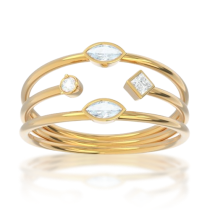
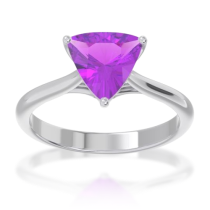
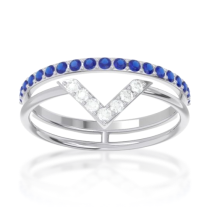
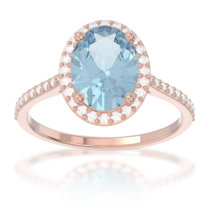
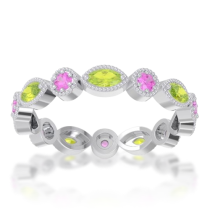
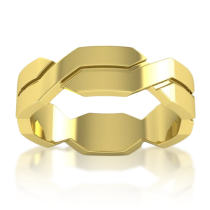
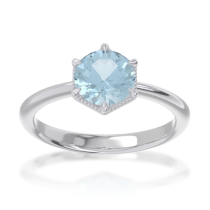
A guide to navigating the tradition, symbolism, and personal choices when it comes to your engagement ring after saying “I do.”
Whether you opt to wear it alone, stack it with your wedding band, or take it off, your engagement ring’s role evolves alongside your relationship. Let’s explore what most people do, why, and how to make choices that feel right for both your style and story.
TL;DR
- Most people continue wearing their engagement ring after marriage.
- Traditional approach: wedding band first (closest to heart), then engagement ring above.
- Alternatives include reversing the order, stacking, or wearing rings on different hands.
Why Many Choose to Keep Wearing the Engagement Ring
- Symbolic Continuity
The engagement ring represents promises made and love committed—keeping it on honors that moment in your journey.
- Sentimental Value
It’s often emotionally irreplaceable. Continuing to wear it keeps that meaningful connection active.
- Fashion and Cohesion
Engagement and wedding bands are typically designed to complement each other visually. Together, they create a polished and cohesive look.
Which Ring Goes First—And Why?
- Tradition: The wedding band goes on first (closest to the heart), followed by the engagement ring on top.
- This signifies that marriage (the band) takes precedence, with the engagement ring layered on as a celebratory symbol of engagement.
- Modern twist: Some individuals opt to wear their engagement ring underneath their wedding band for practical comfort or aesthetic preference.
Whichever way you choose, it’s about what resonates with you emotionally and stylistically.
Alternatives Post-Marriage: Style-forward Choices
- Stacking
- Many create curated stacks using their engagement and multiple bands (anniversary, midi, or theme-based).
- Allows for striking personalization over time.
- Alternate hands
- Some wear the engagement ring on the right hand post-marriage, letting the wedding band remain alone on the left.
- Offers a subtle reminder of marriage while freeing up style opportunity on the left.
- Occasional wear
- For those concerned about wear and tear, the engagement ring may rotate—worn on special occasions or safely stored on most days.
FAQ
Q: Should my engagement ring always go above my wedding band?
Most people follow this tradition for symbolic reasons, but placing it beneath can feel more comfortable—so go with whatever feels right.
Q: Can I wear my rings on different hands and still keep the sentiment?
Absolutely. Wearing your engagement ring on the right hand doesn’t diminish its emotional meaning. It can actually reinforce mindfulness and flexibility in how you honor your commitment.
Q: What if one ring interferes with the other when doing daily tasks?
A snug spacer or a pairing with similar comfort and metal width can help. If the issue persists, rotating wear or placing them on separate fingers is perfectly acceptable.
Final Thoughts
You’re not just wearing jewelry—you’re wearing your story. Whether you choose to stack, separate, or rotate your rings, every arrangement reflects your personality and journey. Let your choices be beautiful, intentional, and authentic to you.