TLDR
- Durability: Citrine rates 7 on the Mohs hardness scale, the same as amethyst. It requires a protective setting for daily wear and attentive care habits. A bezel, halo, or low-profile setting is strongly recommended over a high-prong solitaire. With the right setting and reasonable habits, citrine is an entirely appropriate and beautiful engagement ring choice.
- Color: Citrine’s range runs from pale lemon yellow to deep orange-amber. The most prized color for fine jewelry is a rich, saturated golden yellow. Deep Madeira citrine at the orange-amber end of the spectrum is the most intense. Color should hold across different lighting conditions without appearing pale or washed out.
- Yellow: Citrine is the primary gemstone choice for a yellow engagement ring at an accessible price. Yellow diamonds exist but command dramatically higher prices. Yellow sapphire is an excellent alternative with better durability. For buyers who want a warm, golden, sunny engagement ring and are prepared to care for it accordingly, citrine is the most accessible and generous-in-size option.
- Treatment: All citrine on the market is either naturally colored or heat-treated amethyst. Heat treatment of amethyst to produce citrine is universal, stable, and permanent. It requires no maintenance and does not affect the stone’s care requirements. Full disclosure of this treatment is standard practice, and buyers should expect it.
- Yellow Gold: The pairing of citrine with yellow gold is one of the most harmonious combinations in colored gemstone jewelry. The warmth of yellow gold and citrine reinforces each other, creating a rich, cohesive palette. This is the most recommended and most historically resonant metal choice for a citrine engagement ring.
- Meaning: Citrine is associated with warmth, abundance, joy, and success across multiple cultural traditions. It is the November birthstone and the traditional gift for the 13th wedding anniversary. For an engagement ring, it carries the symbolism of a love that brings light, warmth, and prosperity into a shared life.
- Azeera: Every citrine is individually evaluated for color saturation, evenness, and clarity before entering our NYC workshop. Natural only. Full disclosure on every stone.
Introduction
Yellow is among the rarest colors in the fine gemstone engagement ring market. Blue, red, green, and purple all have strong gemstone representatives at various price points. Yellow has fewer options, and of those, most are either expensive or fragile, or both. Citrine is the exception: a genuinely warm, golden, sunlit yellow at a price that allows the full design of the ring to receive the budget and craft it deserves.
A citrine engagement ring is a bold and joyful choice. The stone does not mimic the gravity of sapphire or the passion of ruby. Its associations are with warmth, with abundance, with the light that enters a room ahead of the person who carries it. For couples who want a ring that expresses optimism and a specific quality of warmth rather than depth or intensity, citrine occupies a space that almost no other accessible stone fills.
A durability question arises in buyer research, and it deserves honest treatment. Citrine rates 7 on the Mohs hardness scale, which places it in the same category as amethyst and slightly below the preferred threshold for a fully unrestricted daily wear ring. This is real, and it informs the choice of setting. But it does not disqualify citrine as an engagement ring, any more than it disqualifies amethyst, which is worn happily in engagement rings by thousands of couples who understand what they are working with.
There is also a treatment question specific to citrine that every buyer should understand before purchasing. This guide addresses both honestly. If you are still comparing citrine to other gemstone options, our complete guide to gemstone engagement rings covers every stone side by side. If you are ready to focus on citrine, read on.
Why Choose a Citrine Engagement Ring?
The Most Accessible Yellow Engagement Ring
Yellow as an engagement ring color has a very short list of genuine options. Yellow diamonds exist and can be extraordinary, but fine yellow diamonds command significant premiums, and the finest Fancy Vivid yellow diamonds are among the most expensive stones in the world. Yellow sapphire is an excellent choice for its superior durability (Mohs 9), but it is significantly more expensive per carat than citrine. Yellow topaz exists but has a lower hardness and slightly different optical properties. Citrine, the most commercially available and affordable yellow gemstone in fine jewelry, gives buyers access to warm, golden yellow at a price that allows the design, setting, and metalwork to receive the full attention of the budget. For buyers who want yellow above all else and want to maximize the stone’s size and presence, citrine is the most direct and generous option.
A Color That Photographs With Exceptional Warmth
Citrine’s golden yellow photographs have a warmth that few other gemstones match. In natural daylight, a well-saturated citrine glows with a quality that reads as genuinely sunny rather than cold or artificial. In photographs, the interaction between a rich citrine and a yellow gold setting creates a warm, luminous image that is immediately distinctive and deeply appealing. For couples who are drawn to the aesthetic of warmth and light in their engagement ring, citrine delivers this with a consistency that makes it one of the most photographically rewarding colored gemstone choices.
A Joyful and Optimistic Symbol
Among all the colored gemstones in this pillar, citrine carries the most explicitly positive and forward-looking symbolism. Where ruby represents passion, sapphire represents loyalty, and emerald represents growth, citrine’s associations center on warmth, abundance, success, and the quality of bringing light and good fortune to those around you. For couples who want their engagement ring to carry an optimistic, joyful energy rather than a solemn or weighty symbolism, citrine is one of the most fitting choices in the entire gemstone catalog.
The November Birthstone
Citrine is one of the two November birthstones, sharing the month with blue topaz. For buyers with a November birthday or anniversary, the connection to the stone adds a dimension of personal meaning that no other choice can provide. The November birthstone association also gives citrine an immediate recognizability as a conversation piece in the context of an engagement ring, particularly when the buyer can explain the personal significance of the birthstone connection.
Exceptional Generosity of Scale
Because citrine is one of the most affordable fine gemstones in the market, a given budget buys considerably more stone with citrine than with sapphire, ruby, or emerald. This matters specifically for a yellow engagement ring, because the visual presence of a warm yellow stone depends heavily on its size. A large, well-saturated citrine of two or three carats creates a dramatically more impactful warm yellow ring than a smaller stone of the same color would. The affordability of citrine is not merely a budget convenience. It is a design opportunity.
Citrine Durability: The Honest Assessment
Citrine rates 7 on the Mohs hardness scale, placing it in the same category as amethyst and requiring the same thoughtful approach to setting choice and daily care. The assessment here closely mirrors the amethyst guide, as the two stones are closely related minerals with very similar physical properties.
What Mohs 7 Means for Daily Wear
At Mohs 7, citrine sits at the threshold of quartz hardness. Quartz is present in common dust, sand, and many household surfaces, which means that everyday contact without protection can cause surface micro-abrasion over months and years of wear. This is a gradual process rather than an acute risk, but it is real and the primary hardness-related concern for citrine in an engagement ring context.
The good news is that citrine is tough. It does not have surface-reaching inclusions that compound emerald’s vulnerability, nor does it have pronounced cleavage planes that make some stones particularly fragile under directional impact. The primary concern with citrine is surface abrasion from hardness, not chipping from toughness. A protective setting effectively addresses abrasion risk.
The Setting Solution
A bezel setting that encircles the stone’s perimeter in continuous metal is the most protective choice for a citrine engagement ring. It shields the girdle from lateral impact and abrasive contact and keeps the stone close to the hand, where it is less likely to receive direct knocks. A halo setting provides similar edge protection while adding visual presence through surrounding diamonds. A low-profile four-prong setting with short prongs, holding the stone close to the band, is achievable for buyers who prefer the open aesthetic of a prong setting and are committed to caring for the ring appropriately.
What to avoid: a high prong solitaire setting that elevates the stone significantly above the band and exposes its full perimeter to contact with hard surfaces. This is the configuration that generates the most dissatisfaction with softer gemstone engagement rings, and it is entirely preventable with an informed choice of setting.
The Daily Habit Commitment
Buyers who successfully wear citrine engagement rings over many years share the same habit as those who succeed with amethyst: they remove the ring before heavy physical activity, gardening, household work involving hard surfaces, and sports. For the full range of office wear, social occasions, and most daily life, a well-set citrine ring is appropriate and lovely. The commitment is specific and manageable rather than constant or onerous.
Heat Treatment: What Every Citrine Buyer Should Know
The treatment story of citrine is unique among the gemstones in this guide and deserves specific, clear disclosure.
Natural citrine, the product of geological processes without any enhancement, exists but is relatively rare. Most of the citrine sold in the fine jewelry market is amethyst that has been heat-treated to transform its purple color to yellow or orange. This process exploits the fact that amethyst and citrine are both varieties of quartz, and that the iron impurities responsible for amethyst’s purple color transform into iron impurities that produce yellow and orange when the stone is heated to the right temperature.
This is not a secret or a scandal. It is a well-established, universally disclosed, and entirely stable treatment that has been used in the gemstone industry for over a century. Heat-treated amethyst that becomes citrine is still quartz. It still has Mohs 7 hardness. It still has the same optical properties. The treatment is permanent and does not fade, change, or require any maintenance over the lifetime of the ring.
The reason to disclose this clearly is not to diminish the value of the stone, but because every buyer of a citrine engagement ring deserves to know exactly what they are purchasing. A well-saturated, beautifully cut, heat-treated citrine in a fine Azeera setting is a genuine and lovely piece of jewelry. It is also transformed into amethyst, and that fact is part of the stone’s identity.
Natural Citrine vs Heat-Treated Amethyst
Natural citrine tends toward lighter, more yellow tones. The deepest, most saturated orange-amber colors, sometimes called Madeira citrine for their resemblance to the color of Madeira wine, are almost exclusively the product of heat treatment from amethyst. If you are drawn to the richest, most intensely colored citrine, it is almost certainly heat-treated. This is not a reason to avoid it. It is simply useful to know.
At Azeera, every citrine we sell is clearly identified with its treatment status. For buyers who specifically want natural, untreated citrine, we can discuss availability and color expectations. For buyers who want the richest golden-amber color possible, heat-treated stones are the right choice, with no quality compromise.
Understanding Citrine Color
Citrine’s color range is among the most pleasing in the gemstone world for buyers drawn to warm tones. Understanding the full spectrum helps buyers identify which shade resonates most personally.
Pale Lemon Yellow
At the lightest end of citrine’s range sits pale lemon yellow, a delicate, barely-there yellow with a fresh, spring-like quality. Pale citrine is most likely to appear nearly colorless indoors under warm lighting, which limits its effectiveness as a centerpiece engagement ring unless the buyer specifically wants a light, understated stone. It is generally the most affordable end of the citrine market.
Golden Yellow: The Sweet Spot
The middle of citrine’s range, a clear, vivid golden yellow, is the most practically effective color for an engagement ring. It holds its warmth across natural daylight and indoor lighting, reads as distinctly and richly yellow rather than pale or washed out, and pairs most harmoniously with yellow gold settings where the metal and stone create a unified warm palette. When buyers say they want a warm, sunny yellow engagement ring, this is the color they typically mean.
Madeira and Deep Orange-Amber
At the deepest end of citrine’s range sits Madeira citrine, named for the golden-amber wine of the Portuguese island. These stones display a rich, intensely saturated orange-amber color that is dramatically different from pale lemon citrine. Fine Madeira citrine is deeply saturated and complex, with a warmth that photographs particularly beautifully. It is generally the most expensive end of the citrine market and the most likely to be produced by heat treatment from amethyst. For buyers who want the most vivid, most impactful citrine, Madeira-range stones are the target.
Color Stability
Citrine is generally stable in color under normal wearing conditions. One characteristic worth knowing: like amethyst, citrine is sensitive to prolonged exposure to intense heat and direct sunlight, which can cause color fading. For a ring worn daily and stored normally indoors, this is not a practical concern. Leaving the ring in direct sunlight or a hot car for extended periods is poor storage practice for most gemstones, particularly quartz varieties.
Citrine, Yellow Topaz, and Yellow Sapphire: Choosing Between the Yellow Stones
Buyers researching yellow engagement rings typically encounter three main options: citrine, yellow topaz, and yellow sapphire. Understanding the differences between them helps buyers make a genuinely informed choice.
Citrine
Citrine is quartz with a Mohs hardness of 7 and good toughness. It is the most affordable of the three, offers the widest range of yellow and amber tones, and gives buyers the most stone for a given budget. Its limitation is hardness, which requires a protective setting for daily wear. For buyers who want maximum size and warmth of color at the most accessible price, and who are prepared to care for the ring accordingly, citrine is the right choice.
Yellow Topaz
Yellow topaz has a Mohs hardness of 8, which is higher than citrine’s. However, topaz has perfect basal cleavage, meaning it can split cleanly under direct impact in the right direction. This makes topaz more vulnerable to certain kinds of impact damage than its hardness number alone suggests. It is generally more expensive than citrine at comparable quality levels. The color range of yellow topaz overlaps with that of citrine, so the two are sometimes confused in the market. Buyers considering topaz should be aware of the cleavage consideration and choose protective settings accordingly.
Yellow Sapphire
Yellow sapphire is corundum (Mohs 9) with excellent toughness and no cleavage planes. It is the most durable of the three yellow stone options and can be worn without restriction in any setting style. It is also significantly more expensive than citrine or topaz at comparable quality levels. For buyers who want a yellow engagement ring and the most carefree daily-wear experience, a yellow sapphire is the superior practical choice. For buyers who want yellow and want to prioritize size and design budget over stone durability, citrine is a more accessible alternative.
What Does a Citrine Engagement Ring Mean?
Citrine’s symbolism is among the most consistently positive of any gemstone in this guide, and it carries a coherent and fitting meaning for an engagement ring in a very specific way.
In Chinese tradition, citrine is called the merchant’s stone and is associated with wealth, abundance, and the success that comes from generosity and good fortune. Merchants and business owners placed citrine in cash registers and on desks as a symbol of prosperity and the allure of good fortune. This is not superstition in the modern sense. It is a cultural encoding of the qualities that citrine’s warm, radiant color has always communicated: optimism, abundance, and the ability to bring light and warmth to those around you.
In Western crystal and gemstone traditions, citrine is associated with the sun, with vitality, and with the life-giving warmth that sustains and nourishes. It is the antidote stone, historically believed to counteract depression and negativity, to bring clarity and purpose, and to support the wearer in pursuing what matters most to them. These associations are not specifically about romantic love, but they are deeply relevant to what a committed partnership can represent: a source of warmth, energy, and support that sustains both people through the inevitable difficulties of a shared life.
For an engagement ring, citrine’s symbolism is most directly fitting for couples who want to express a relationship characterized by joy, generosity, and warmth. It does not carry the gravitas of sapphire or the intensity of ruby. What it carries is light and abundance, two qualities that make a daily-wear ring feel genuinely life-affirming.
Citrine is the November birthstone and the traditional gift for the 13th wedding anniversary. The 13th anniversary association is interesting: 13 is a number associated in many traditions with transformation and the crossing of a threshold, and the citrine anniversary gift reflects a love that has passed through its early years and emerged with clarity, warmth, and the confidence of something proven.
Setting Styles for a Citrine Engagement Ring
Setting choice for citrine follows the same principles as amethyst: the right setting actively compensates for the stone’s moderate hardness, and the wrong setting is the primary source of dissatisfaction with softer gemstone engagement rings.
Bezel Setting
A bezel setting is the strongest recommendation for a citrine engagement ring and the most protective choice available. A full bezel encircles the stone’s perimeter in a continuous band of metal, shielding the girdle from lateral impact and abrasive contact, which cause the most wear on softer stones. The stone sits close to the hand, reducing the risk of snagging or knocking against hard surfaces. The visual effect, particularly in yellow gold, creates a warm, unified composition where the metal and stone read as a single glowing element. An oval or round citrine in a full bezel setting in yellow gold is one of the most elegant and most practically sound options for a warm yellow engagement ring.
Halo Setting
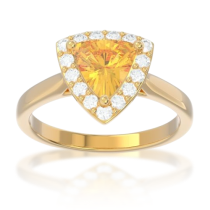
A halo setting surrounds the central citrine with a ring of smaller diamonds, creating a strong visual contrast between the warm yellow of the stone and the white sparkle of the surrounding diamonds. The halo increases the apparent size and presence of the central stone and provides additional edge protection. The warm-cool color contrast between citrine and diamonds is particularly striking and photographs with exceptional clarity. A cushion or oval citrine in a yellow gold halo setting is one of the most visually impressive combinations available in this price range.
Three-Stone Setting
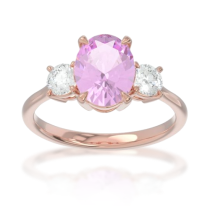
A three-stone setting places the citrine at the center, flanked by two side stones. A central citrine with two diamond side stones creates a composition with strong contrast and clear visual hierarchy. The design works particularly well for oval and elongated cushion citrine stones, where the horizontal line of the three stones creates a wide, warm field of color. The side stones also provide some lateral support for the center stone.
East-West and Elongated Cuts
A large oval or elongated cushion citrine oriented horizontally across the finger creates an immediately distinctive look that maximizes the warm golden color surface visible from above. In a yellow gold bezel or low halo setting, an east-west citrine is one of the most striking yellow engagement ring designs available at this price point. The horizontal orientation and the generous size that citrine’s affordability allows combine to create a ring with real presence and personality.
Victorian and Art Nouveau
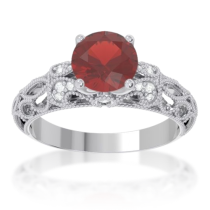
Citrine appears extensively in Victorian and Art Nouveau jewelry, particularly in the amber-toned Madeira range, which was favored for its richness and depth. Buyers drawn to period aesthetics will find citrine among the most historically appropriate and visually cohesive choices for a vintage-inspired engagement ring. Yellow gold Victorian settings with a deep Madeira citrine centerpiece have a warmth and richness that is difficult to achieve with any other accessible stone.
Choosing the Right Metal for a Citrine Engagement Ring
Metal choice is particularly consequential for citrine, as the stone’s warm yellow color responds strongly to the warmth or coolness of the surrounding metal. Getting this right is one of the most important decisions in designing a citrine engagement ring.
Yellow Gold
Yellow gold is the strongest, most harmonious, and most recommended pairing for citrine engagement rings. The warm golden tone of yellow gold and the warm golden yellow of the stone are closely aligned on the color spectrum, meaning the two reinforce rather than contrast with each other. The result is a ring that reads as a single unified warm element: glowing, cohesive, and radiantly warm. For pale lemon citrine, yellow gold adds depth and warmth that the stone alone might lack. For golden yellow citrine, yellow gold creates a perfect palette match. For deep Madeira citrine, yellow gold reinforces the richness and prevents the deep orange-amber from reading as harsh against a cooler metal. In all cases across the color range, yellow gold is the right choice for citrine. Azeera offers 14k and 18k yellow gold.
Rose Gold
Rose gold creates a warm and romantic combination with citrine. The pinkish warmth of rose gold harmonizes with yellow and orange-yellow citrine, softening the composition relative to the bolder contrast of white metal. For pale lemon citrine, rose gold adds warmth and definition to the delicate color. For Madeira-range citrine, rose gold can create a rich, autumnal palette that is immediately distinctive. Rose gold with citrine is a contemporary choice that works well for buyers who find yellow gold too traditional. Azeera offers 14k and 18k rose gold.
White Gold and Platinum
White gold and platinum create the highest contrast with citrine’s yellow, making the color appear more vivid and graphic against the cool neutral metal. This is a bold, contemporary approach that works best with stones of the richest, most saturated golden yellow or Madeira color, where the stone is strong enough to anchor the composition against the competing cool tone of the metal. For pale or weakly saturated citrine, white metal can make the stone appear even more washed out than it already is. White gold requires rhodium plating every one to two years. Platinum is the most durable and low-maintenance metal option. Azeera offers 14k and 18k white gold and platinum.
Caring for a Citrine Engagement Ring
Citrine’s care requirements are essentially identical to those of amethyst, as both are quartz varieties with the same hardness and similar toughness profiles.
Daily Habits
Remove the ring before heavy physical work, gardening, sports, and any activity where it might come into contact with hard surfaces with significant force. Apply perfumes, hand lotions, and hairspray before putting the ring on rather than after. Remove the ring before swimming in chlorinated pools and before using household cleaning products. Store the ring separately from harder gemstones, including sapphire, ruby, and diamond, which can scratch citrine’s surface if stored in direct contact.
Cleaning at Home
Soak the ring in warm water with a few drops of mild dish soap for 10 to 15 minutes. Use a very soft brush to gently clean around the setting and under the stone. Rinse thoroughly and pat dry with a lint-free cloth. Avoid ultrasonic cleaners, which can stress the stone over repeated use. Avoid steam cleaning and prolonged exposure to intense direct sunlight or high-heat sources, as these can cause color changes in quartz varieties over time. The warm-water and mild-soap routine is safe and effective for weekly use.
Professional Care
Have the ring professionally inspected and cleaned once a year. The inspection confirms that the setting remains secure and that no prong tips or bezel edges have worn to the point of putting the stone at risk. Azeera offers a lifetime warranty on manufacturing defects and free resizing for the first year after purchase.
Why Choose Azeera for Your Citrine Engagement Ring?
Azeera has been a family business for 75 years. Every ring is cut and set by hand in our New York City workshop. We source individual stones evaluated against strict standards for color saturation, evenness, and clarity.
For citrine, color saturation is the defining quality variable. The difference between a pale, weakly colored citrine and a richly saturated golden yellow or Madeira stone is enormous at eye level and does not always translate clearly in photographs. We evaluate every stone individually for depth and evenness of color, warmth of tone, and the quality of light in the stone under different lighting conditions. Pale or uneven stones are not appropriate for a fine engagement ring centerpiece, regardless of their size.
We are transparent about treatment. Every citrine we sell is identified as naturally colored or heat-treated, and we explain the treatment process clearly to every buyer who asks. This is standard practice in the industry, and we consider full disclosure a baseline requirement for any responsible fine jewelry sale.
We do not use stock photography. Every product image on our site shows the actual stone you are purchasing. For citrine, where color warmth and saturation vary considerably between stones at similar price points, seeing the actual stone matters. The golden yellow or amber you see in the photograph is the color of the specific stone that will arrive on your finger.
Our citrine engagement rings are available in all seven metals: 14k and 18k yellow gold, 14k and 18k white gold, platinum, and 14k and 18k rose gold. We also offer fully custom commission engagement rings for buyers with a specific color preference, cut, or design in mind.
Browse our citrine engagement ring collection to begin. And if you are still comparing citrine to other options, our complete guide to gemstone engagement rings covers every stone we offer in detail.
Frequently Asked Questions
Is citrine durable enough for daily wear as an engagement ring?
Yes, with the right setting and deliberate care habits. Citrine rates 7 on the Mohs hardness scale, which places it in the same category as amethyst. At this hardness, prolonged contact with quartz dust can cause surface microabrasion, and the stone requires a protective setting for daily engagement ring use. A bezel, halo, or low-profile setting that protects the stone’s edges addresses this substantially. Removing the ring before heavy physical activity and gardening is the other essential precaution. Buyers who choose protective settings and develop these habits wear their citrine rings successfully for many years. The buyers who encounter problems are those who combine high prong settings with unrestricted daily wear.
Is citrine heat-treated, and does that matter?
Most citrine on the market is heat-treated amethyst. The process transforms amethyst’s purple color to yellow or orange by applying controlled heat that changes the iron impurities responsible for the color. The treatment is universal, stable, and permanent. It requires no maintenance, does not fade or degrade over time, and does not change the stone’s physical properties, including its hardness or toughness. Full disclosure of this treatment is standard practice. A well-saturated, beautifully cut heat-treated citrine in a fine Azeera setting is a genuine and lovely piece of jewelry. At Azeera, every stone is identified with its treatment status, and we are happy to discuss the process in detail for any buyer who wants to understand it fully.
What is the best metal for a citrine engagement ring?
Yellow gold is the strongest recommendation for most citrine engagement rings across the full color range from pale lemon to deep Madeira amber. The warm tones of yellow gold and citrine are closely aligned, meaning the two reinforce each other rather than creating contrast. The result is a ring that reads as a unified, glowing, warm composition. Rose gold is an excellent alternative that creates a softer, more romantic combination, particularly for golden yellow and Madeira stones. White gold and platinum create a bold contrast that works best with the richest, most saturated stones. For most buyers, yellow gold with citrine is the most harmonious and most satisfying choice.
What does a citrine engagement ring mean?
Citrine is associated with warmth, abundance, joy, success, and the quality of bringing light and good fortune to those around you. In Chinese tradition, it is called the merchant’s stone, associated with prosperity and abundance. In Western gemstone traditions, it is associated with the sun, vitality, and the ability to sustain and nourish those in its presence. An engagement ring symbolizes a love that is warm, generous, and life-affirming rather than solemn or intense. It is the November birthstone and the traditional gift for the 13th wedding anniversary. The 13th anniversary association reflects a love that has crossed an important threshold and emerged with clarity and warmth proven through experience.
How does citrine compare to yellow topaz and yellow sapphire?
Citrine at Mohs 7 is the softest of the three and the most affordable, offering the most stone for a given budget. Yellow topaz at Mohs 8 is harder but has perfect basal cleavage, making it vulnerable to certain directional impacts despite its higher hardness. Yellow sapphire at Mohs 9 is the most durable of the three and can be worn without restriction in any setting style, but it commands significantly higher prices per carat. For buyers who prioritize the largest size and the warmest color at the most accessible price, citrine is the right choice. For buyers who want a yellow stone and want carefree, unrestricted daily wear, the yellow sapphire is the superior practical choice.
What is Madeira citrine?
Madeira citrine is a trade name for deep orange-amber citrine, named for its resemblance to the color of Madeira wine from the Portuguese island of the same name. It represents the deepest, most saturated end of citrine’s color range and is generally considered the most prestigious color in the citrine market. Fine Madeira citrine has a rich, complex warmth that is quite different from pale lemon or golden yellow citrine. It is almost always the product of heat treatment from deeply colored amethyst. For buyers drawn to a rich, autumnal orange-amber rather than a fresh golden yellow, Madeira citrine is the most vivid and most impactful option in the citrine family.
Can a citrine engagement ring be resized?
Yes. Citrine tolerates the heat involved in standard ring resizing. Solitaire and halo settings can typically be resized by an experienced jeweler by one to two sizes in either direction. Settings with stones set continuously around the band require removing and replacing stones to resize the band. Azeera offers free resizing for the first year after purchase on all rings we make. Confirming ring size before ordering is always the better approach.
How much does a citrine engagement ring cost?
Citrine is among the most affordable fine gemstones in the jewelry market, which means the cost of a citrine engagement ring is largely determined by the setting design, metalwork, and craft quality rather than the stone itself. An Azeera citrine engagement ring in a well-designed bezel or halo setting in yellow gold represents exceptional value relative to comparable rings in sapphire, ruby, or emerald. For buyers who want a beautiful, well-crafted yellow engagement ring and want the design to receive the full attention of the budget, citrine offers a genuinely strong opportunity to achieve a piece of real distinction at an accessible price.