Birthstones have long been cherished for their beauty and the unique significance they hold. Each month is associated with a specific gemstone, believed to bring various benefits and represent the traits of individuals born in that month. This guide explores the birthstones for each month, their history, meanings, and how to incorporate them into stunning jewelry pieces.
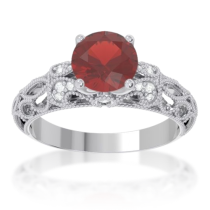
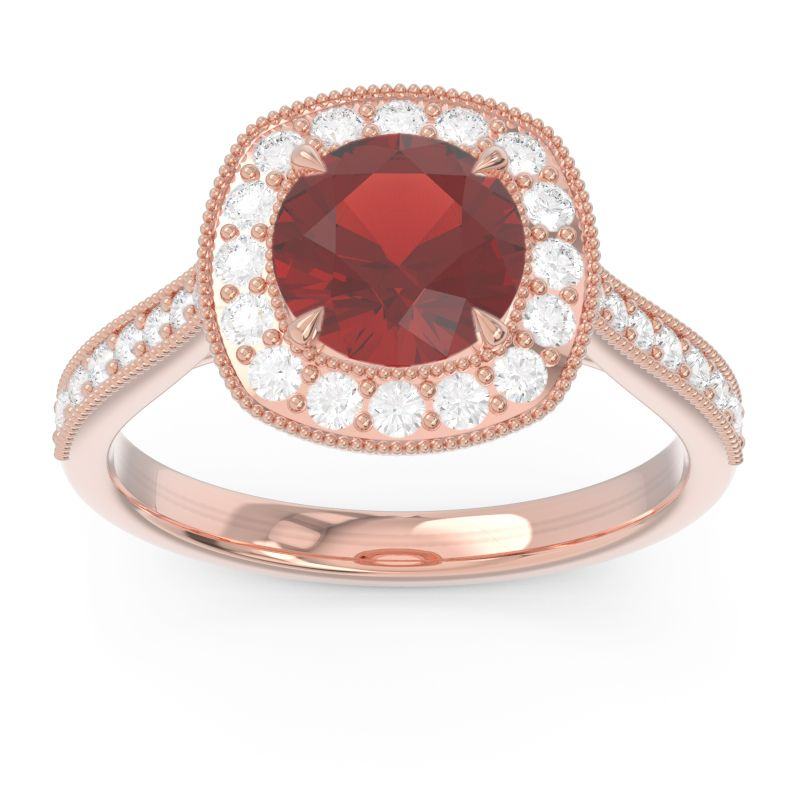
January: Garnet
Significance: Garnet, the birthstone for January, is known for its deep red color symbolizing protection, vitality, and strength.
History and Meaning: Historically, garnets were believed to protect their wearers from harm and ensure safe travels. The stone is also associated with friendship and trust.
Jewelry Ideas: Garnet rings, necklaces, and earrings make classic and elegant pieces that add a touch of sophistication.
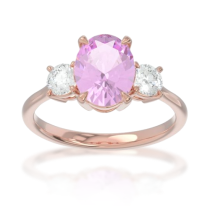
February: Amethyst
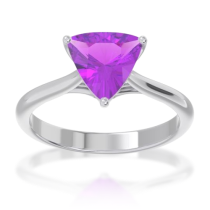
Significance: Amethyst, the birthstone for February, is renowned for its striking purple hue and is associated with peace, protection, and spiritual growth.
History and Meaning: Ancient Greeks believed amethyst protected against intoxication and promoted clear-headedness. It symbolizes tranquility and wisdom.
Jewelry Ideas: Amethyst pendants, bracelets, and stud earrings can add a regal touch to any outfit.
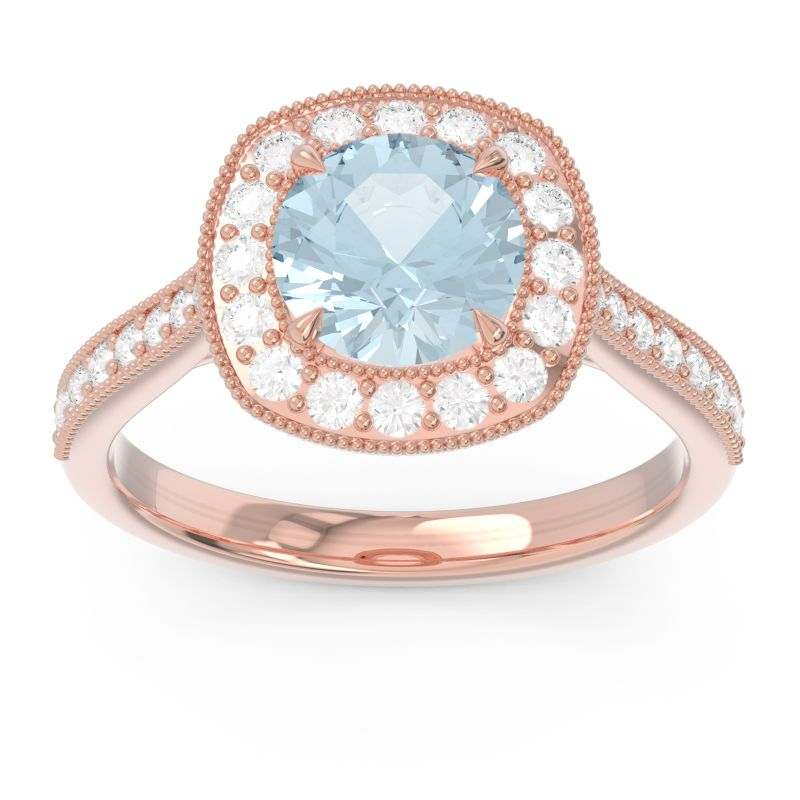
March: Aquamarine
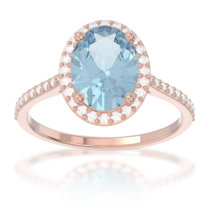
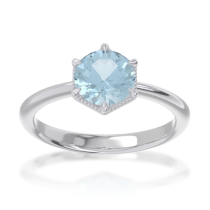
Significance: Aquamarine, the birthstone for March, is known for its serene blue color, symbolizing tranquility, clarity, and courage.
History and Meaning: Aquamarine was believed to protect sailors and ensure a safe voyage. It is also thought to calm the mind and reduce stress.
Jewelry Ideas: Aquamarine rings, necklaces, and drop earrings are perfect for adding a calming and elegant touch.
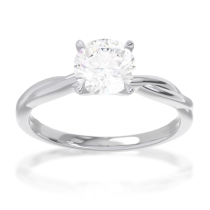
April: Diamond
Significance: Diamond, the birthstone for April, is celebrated for its unparalleled brilliance and strength, symbolizing eternal love and invincibility.
History and Meaning: Diamonds have been cherished throughout history as symbols of wealth, power, and unbreakable bonds.
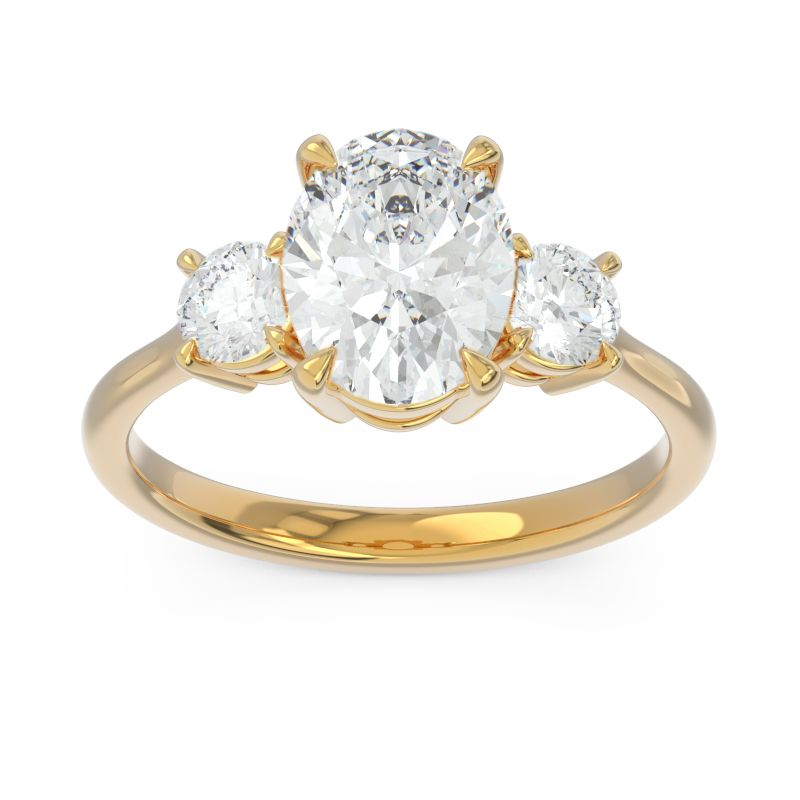
Jewelry Ideas: Diamond engagement rings, solitaire earrings, and tennis bracelets are timeless and luxurious choices.
May: Emerald
Significance: Emerald, the birthstone for May, is known for its rich green color, symbolizing growth, renewal, and prosperity.
History and Meaning: Emeralds were favored by Cleopatra and have been associated with fertility, rebirth, and love.
Jewelry Ideas: Emerald rings, pendants, and hoop earrings can add a vibrant and luxurious touch to any jewelry collection.
June: Pearl
Significance: Pearl, the birthstone for June, is valued for its natural beauty and luster, symbolizing purity, wisdom, and integrity.
History and Meaning: Pearls have been treasured for centuries, often associated with the moon and its feminine energy.
Jewelry Ideas: Pearl necklaces, stud earrings, and bracelets are timeless and elegant pieces suitable for any occasion.
July: Ruby
Significance: Ruby, the birthstone for July, is known for its fiery red color, symbolizing passion, vitality, and protection.
History and Meaning: Rubies were believed to protect warriors in battle and symbolize powerful emotions and courage.
Jewelry Ideas: Ruby rings, pendants, and earrings are bold and striking choices that add a touch of luxury and passion.
August: Peridot
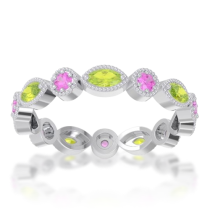
Significance: Peridot, the birthstone for August, is celebrated for its bright green color, symbolizing strength, growth, and healing.
History and Meaning: Ancient Egyptians called peridot the “gem of the sun,” believing it had protective powers and brought prosperity.
Jewelry Ideas: Peridot necklaces, rings, and drop earrings add a refreshing and vibrant touch to any jewelry collection.
September: Sapphire
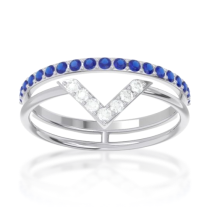
Significance: Sapphire, the birthstone for September, is known for its deep blue color, symbolizing wisdom, loyalty, and nobility.
History and Meaning: Sapphires were cherished by royalty and clergy, symbolizing divine favor and protection.
Jewelry Ideas: Sapphire engagement rings, pendants, and stud earrings are timeless and sophisticated choices.
October: Opal
Significance: Opal, the birthstone for October, is celebrated for its unique play of colors, symbolizing inspiration and creativity.
History and Meaning: Opals were believed to bring good luck and protect against evil, symbolizing hope and purity.
Jewelry Ideas: Opal rings, necklaces, and earrings are unique and captivating pieces that showcase the gemstone’s dynamic beauty.
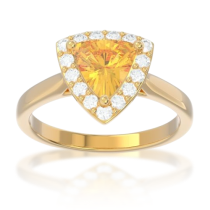
November: Topaz
Significance: Topaz, the birthstone for November, comes in various colors, with golden yellow being the most popular, symbolizing warmth, strength, and clarity.
History and Meaning: Topaz was believed to bring strength and intelligence and protect against harm.
Jewelry Ideas: Topaz pendants, rings, and earrings add a warm and vibrant touch, perfect for fall.
December: Turquoise
Significance: Turquoise, the birthstone for December, is known for its striking blue-green color, symbolizing protection, tranquility, and good fortune.
History and Meaning: Turquoise was treasured by ancient civilizations for its protective properties and believed to bring good health and fortune.
Jewelry Ideas: Turquoise necklaces, bracelets, and rings add a colorful and calming touch to any jewelry collection.
Did You Know?
- Historical Beliefs: Throughout history, different cultures believed that birthstones brought specific benefits and protection to the wearer.
- Personal Talismans: Birthstones are often worn as personal talismans, believed to harness the power and energy of the month they represent.
- Celebrity Birthstones: Many celebrities wear their birthstones as a statement of their personality and as a connection to their birth month.
Tips for Choosing Birthstone Jewelry
- Consider Personal Preferences: While the birthstone associated with a month has traditional significance, personal preference should also guide the choice.
- Quality and Authenticity: Ensure the gemstone is of high quality and authentic to maximize its beauty and benefits.
- Versatility: Choose versatile designs that can be worn for various occasions, ensuring the jewelry piece can be cherished and worn regularly.
Frequently Asked Questions (FAQs)
Q1: Can birthstones be worn by anyone, or only those born in that month? A: While birthstones hold particular significance for those born in their respective months, anyone can wear them. Many people choose birthstones for their beauty or the specific benefits they believe the stones bring.
Q2: Are there alternative birthstones for each month? A: Yes, there are traditional and modern birthstones for each month, and sometimes multiple stones are associated with a single month. This offers a variety of choices based on personal preference.
Q3: How should I care for birthstone jewelry? A: Proper care varies depending on the gemstone. Generally, clean birthstone jewelry with mild soap and water, avoid harsh chemicals, and store pieces separately to prevent scratches.
Q4: Can birthstones be used in engagement rings? A: Absolutely! Many birthstones, such as diamonds, sapphires, and rubies, are popular choices for engagement rings due to their beauty and symbolism.
Q5: What is the significance of birthstone jewelry as a gift? A: Birthstone jewelry makes a thoughtful and personalized gift, symbolizing a connection to the recipient’s birth month and carrying meaningful benefits and protective qualities.
Conclusion
Birthstones are more than just beautiful gemstones; they carry rich histories and unique significance for each month. Whether you choose a garnet ring for January or a turquoise necklace for December, birthstone jewelry makes a meaningful and timeless gift. By understanding the significance and benefits of each birthstone, you can select the perfect piece that resonates with the wearer’s personality and enhances their life.