Emeralds have captivated people for centuries with their vibrant green hue and mystical allure. Today, buyers have more options than ever when it comes to purchasing emeralds, thanks to the availability of lab-grown stones. But how do these lab-grown emeralds compare to their natural counterparts? In this comprehensive guide, we’ll explore the differences between lab-grown and natural emeralds, focusing on aspects such as cost, quality, and ethical considerations, so you can make an informed decision before your purchase.
1. Understanding the Basics: What Are Lab-Grown and Natural Emeralds?
Natural Emeralds
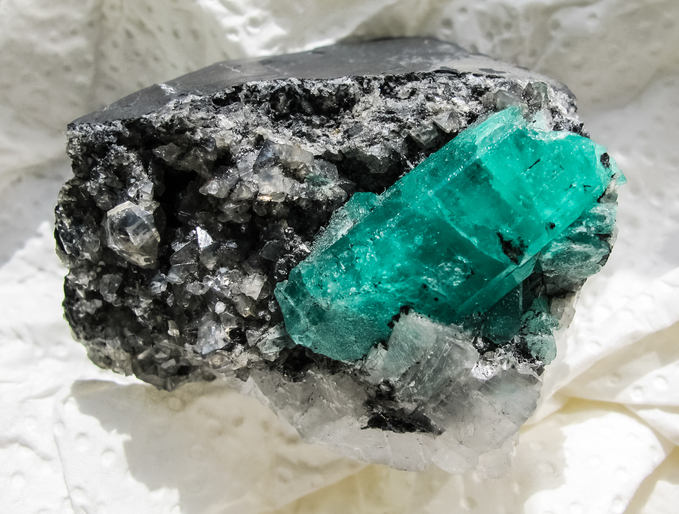
Natural emeralds are formed deep within the Earth’s crust over millions of years. These gemstones are a variety of the mineral beryl, colored green by trace amounts of chromium or vanadium. Natural emeralds are typically mined in countries like Colombia, Zambia, and Brazil. Their formation process results in unique inclusions known as “jardin,” which are often seen as part of the stone’s character and charm.
Lab-Grown Emeralds
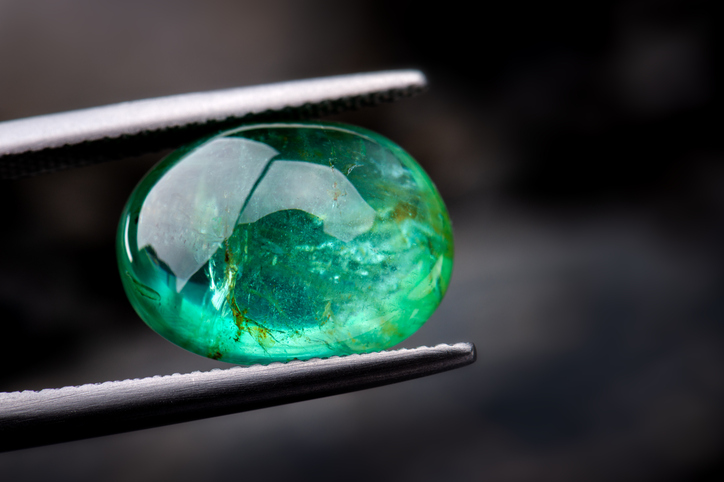
Lab-grown emeralds, also known as synthetic or lab-created emeralds, are produced in a controlled laboratory environment. They are created using the same chemical composition and crystal structure as natural emeralds, which means they are identical to natural emeralds in terms of physical and optical properties. The main difference is that lab-grown emeralds are produced in a matter of weeks, rather than millions of years.
2. Cost Comparison: Lab-Grown vs. Natural Emeralds
One of the most significant differences between lab-grown and natural emeralds is the cost. Lab-grown emeralds are generally more affordable than natural emeralds. This price difference is due to several factors:
- Production Time: Lab-grown emeralds can be produced relatively quickly, reducing costs associated with mining and transportation.
- Supply Chain: Lab-grown emeralds bypass the extensive mining process, often involving high labor and environmental costs.
- Market Perception: Natural emeralds are often seen as rarer and more unique, which can drive up their market value.
For buyers on a budget or those looking for a larger stone at a lower price, lab-grown emeralds offer a cost-effective alternative without sacrificing quality or beauty.
3. Quality and Appearance: What to Expect
Color and Clarity
Lab-grown and natural emeralds can exhibit the same vibrant green color that makes these gemstones desirable. However, lab-grown emeralds often have fewer inclusions and can display a more consistent color due to the controlled conditions in which they are created. On the other hand, natural emeralds are more likely to have visible inclusions, which are considered part of their character and can even add to their charm.
Durability
Regarding durability, both lab-grown and natural emeralds have the same hardness on the Mohs scale (7.5 to 8). This means they are suitable for everyday wear in rings, cufflinks, and other jewelry. However, the inclusions found in natural emeralds may make these stones more prone to chipping or cracking if not handled with care.
Cut and Size
Because lab-grown emeralds are more affordable and can be produced in larger sizes with fewer inclusions, they are often available in a broader range of cuts and sizes. This gives buyers more flexibility in choosing the perfect stone for their jewelry. Natural emeralds, due to their rarity and the presence of inclusions, may be more limited in size and may require more careful cutting to enhance their appearance.
4. Ethical Considerations: Which Is the Better Choice?
Natural Emeralds
The mining of natural emeralds can have significant environmental and ethical implications. In some regions, mining practices can lead to environmental degradation, including deforestation and water pollution. Additionally, the mining industry has been associated with labor issues, including unsafe working conditions and exploitation.
Lab-Grown Emeralds
Lab-grown emeralds offer a more ethical alternative, as they are produced in controlled environments that do not require mining. This means that the environmental impact is significantly reduced, and there are no concerns about labor exploitation. For buyers who are conscious of their environmental and ethical footprint, lab-grown emeralds provide a guilt-free choice that aligns with sustainable values.
5. Resale Value: What You Should Know
Natural Emeralds
Natural emeralds tend to hold their value over time and may even appreciate, especially if they are of high quality and have a desirable provenance. They are often seen as investment pieces, particularly those with rare and unique characteristics.
Lab-Grown Emeralds
Lab-grown emeralds, while visually and chemically identical to natural emeralds, generally have a lower resale value. This is due to their lower cost and the perception that they are not as rare or unique as natural emeralds. Buyers of lab-grown emeralds should be aware that these stones are primarily valued for their beauty and ethical benefits rather than for investment purposes.
6. Customization and Versatility: Which Offers More Flexibility?
Lab-grown and natural emeralds offer opportunities for customization, whether you’re looking to create a unique engagement ring, wedding band, or everyday piece of jewelry. However, lab-grown emeralds often provide more flexibility due to their availability in larger sizes and consistent quality.
- Custom Engagement Rings: Lab-grown emeralds allow for greater experimentation with design and size, making them a popular choice for custom engagement rings.
- Wedding Bands: Both natural and lab-grown emeralds can be set into wedding bands, but lab-grown stones might offer more uniformity if you’re looking for a specific design.
- Everyday Wear: For jewelry intended for daily wear, lab-grown emeralds offer durability and affordability, allowing you to enjoy a stunning piece without the worry of damaging a rare and expensive stone.
7. Making the Decision: Which Emerald Is Right for You?
Ultimately, the choice between lab-grown and natural emeralds comes down to personal preference, budget, and values. If you’re drawn to the idea of owning a gemstone that has formed naturally over millions of years, with all the unique characteristics that come with it, then a natural emerald might be the right choice for you. On the other hand, if you value sustainability, ethical sourcing, and getting more gemstone for your money, a lab-grown emerald could be the perfect option.
FAQs About Lab-Grown vs. Natural Emeralds
Q1: Are lab-grown emeralds real emeralds?
A: Yes, lab-grown emeralds are real emeralds. They have the same chemical composition and physical properties as natural emeralds, with the only difference being their origin.
Q2: How much cheaper are lab-grown emeralds compared to natural ones?
A: Lab-grown emeralds can be 20-40% cheaper than natural emeralds, depending on the size, quality, and market conditions.
Q3: Do lab-grown emeralds have inclusions like natural emeralds?
A: Lab-grown emeralds typically have fewer inclusions than natural emeralds due to the controlled conditions in which they are created. This results in a clearer and more consistent appearance.
Q4: Can I resell lab-grown emeralds?
A: While lab-grown emeralds can be resold, they generally have a lower resale value compared to natural emeralds. They are valued more for their beauty and ethical considerations rather than as an investment.
Q5: Are natural emeralds more durable than lab-grown emeralds?
A: Both lab-grown and natural emeralds have the same hardness and durability. However, natural emeralds may be more prone to chipping due to their inclusions.
Q6: Are lab-grown emeralds ethical?
A: Yes, lab-grown emeralds are considered ethical because they do not involve mining, which can have environmental and social impacts. They are produced in controlled environments with a minimal ecological footprint.
Q7: Which type of emerald is better for custom jewelry?
A: Lab-grown emeralds offer more flexibility for custom jewelry due to their availability in larger sizes and consistent quality. However, both lab-grown and natural emeralds can be used for custom designs.
Q8: Do lab-grown emeralds come in different colors?
A: Lab-grown emeralds, like natural ones, typically range in color from light to deep green. The exact hue can be customized depending on your preferences.
Q9: Is it possible to tell the difference between lab-grown and natural emeralds?
A: Visually, lab-grown and natural emeralds are almost identical. Specialized equipment is usually required to distinguish between the two.
Q10: Why do natural emeralds have a higher value?
A: Natural emeralds are rarer and have formed over millions of years, giving them unique inclusions and characteristics prized by collectors and jewelers. This rarity and uniqueness contribute to their higher value.
Whether you choose a lab-grown or natural emerald, both offer stunning beauty and the timeless appeal of this treasured gemstone. By understanding the differences in cost, quality, and ethical considerations, you can make an informed decision that aligns with your personal values and style. Whether it’s for an engagement ring, a wedding band, or a piece of everyday jewelry, the right emerald will be a lasting symbol of elegance and sophistication.